Consortium meeting in Dublin

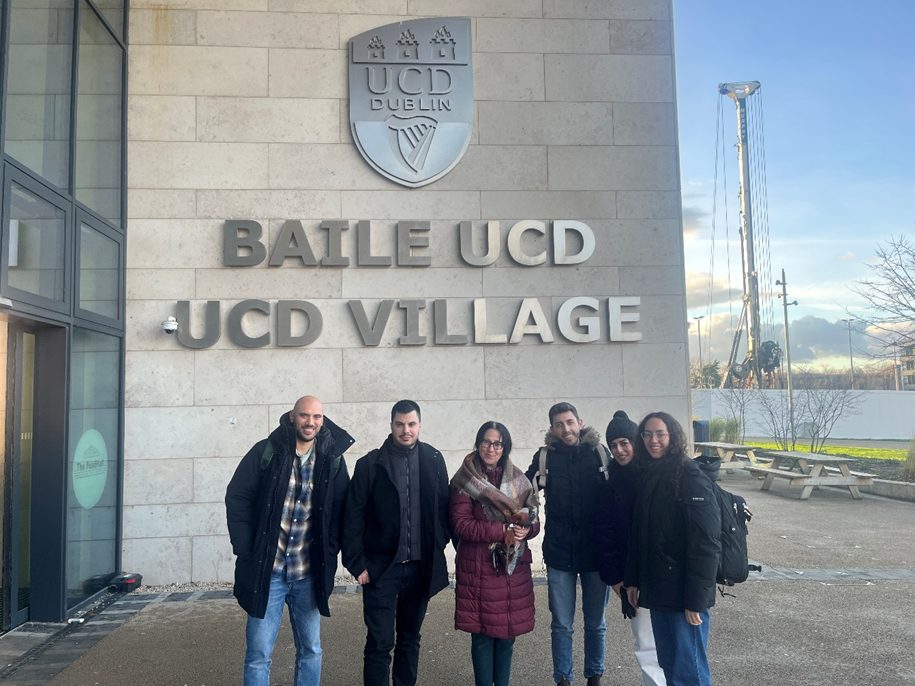
On 24 and 25 November, the MindGuard partners gathered at University College Dublin for a two day meeting dedicated to the next phase of work on the project’s key outputs. Representatives from the University of Groningen, CARDET360, Institute of Development, All Digital, University College Dublin and the University of Nicosia met to review progress and plan the months ahead.
MindGuard aims to promote inclusion in higher education by fostering a culture of care and respect, where mental health and well-being are recognised as essential to academic success. The consortium is developing a mental health first aid framework tailored to academic settings, together with an interactive training programme and a virtual reality platform that will offer immersive learning experiences for staff and students.
Working session on the Guide for Staff and Educators
During the meeting, partners focused on the next steps for revising and finalising the upcoming project result: the Guide for Staff and Educators. This resource will provide practical tools that help university personnel recognise and respond to mental health challenges in their academic communities. It will also contribute to the broader project objective of strengthening the knowledge, skills and confidence of staff and students in supporting well-being.
Designing the Training Programme
The consortium also discussed the structure and content of the future Training Programme for Faculty, Academic Staff and Students. The programme will translate the principles of mental health first aid into accessible learning pathways, helping universities create more supportive learning environments. These discussions built on the project’s commitment to empathy, user centred approaches and the reduction of stigma in higher education.
Progress on the VR scenarios
Another important point on the agenda was the development of the VR scenarios that will form part of MindGuard’s immersive training platform. Partners reviewed current prototypes and explored how the virtual environment can simulate real situations often encountered in campus life. Participants also had the opportunity to test the VR headset, offering feedback that will guide the refinement of the scenarios.

Strengthening outreach in the higher education sector
The meeting concluded with a discussion on how the project can be further promoted within the higher education community. Partners explored ways to engage students, faculty and support services in the next stages of development and piloting.