Accessibility Tools

Skip to main content

Συντάκτης: pm

Why VR? The benefits and importance of VR for MHFA

In Mental Health First Aid (MHFA), reading a manual does not prepare you for a real-life crisis. In MindGuard, mental health prevention moves beyond traditional training into the immersive world of Virtual Reality (VR).

The core innovation of our Work Package 4 is the development of a user-friendly VR platform designed specifically for the higher education sector. We do not rely on a standard video or a textbook but adopt VR which offers a sense of presence, a psychological feeling of actually being in a space and responding to stimuli.

With digital and immersive technology, we prepare students and staff to:

  • Engage in safe experimentation: VR simulations provide a controlled environment where learners can practice MHFA techniques without the fear of making a wrong move in a real-life sensitive situation.
  • Develop confidence: The platform will host scenarios that reflect real-life potential cases of mental health conditions, allowing users to build the confidence needed to support their peers.
  • Enhance empathy: Through interactive, experiential learning, students can experience different perspectives, for deeper understanding of issues.

Multi-sensory Learning Experience

Under the technical leadership of University College Dublin (UCD), the system integrates audio and visual feedback to enhance immersion. These modules cover critical areas such as:

  • Identifying signs of distress like anxiety and depression.
  • Practicing intervention strategies that respect professional boundaries.
  • Applying mental health first aid action plans in realistic academic settings, such as during high-stress exam periods.

Quality Assurance

As part of our Quality Assurance Plan (QAP), we are measuring impact. We have established strict metrics to ensure the platform’s success, including a target of 80% or higher satisfaction from students and faculty regarding user-friendliness and training effectiveness.

Our goal is to reach at least 200 online visitors during the project’s lifecycle, creating a digitally empowered community of “First Aiders” who are ready to make our campuses more inclusive and supportive.

Stay tuned as we will soon host local training sessions across the Netherlands, Ireland, and Cyprus!

The Erasmus+ MindGuard Project Continues to Grow!

The Erasmus+ MindGuard project is making steady progress across Europe, with partners from the Netherlands, Ireland, Cyprus, Greece, and Belgium working together to strengthen the knowledge and skills of university staff and students. The project aims to empower individuals in higher education to support their own mental well-being and that of their peers.

A collaborative effort toward mental health in higher education:

Following the publication of the transnational report, which now serves as the project’s evidence base, the consortium has completed the first version of the MindGuard Guide!

Developed collaboratively by all project partners, the MindGuard Guide is an evidence-based resource designed to help higher education institutions in embedding mental health and wellbeing into daily academic life. The guide supports students, educators, and administrative staff in preventing and addressing mental health challenges through the innovative use of Virtual Reality (VR) and Mental Health First Aid (MHFA) training.

What the MindGuard Guide offers:

The guide provides universities with practical tools and structured guidance for higher education institutions seeking to strengthen mental health support within their communities. It includes:

  • Practical recommendations for promoting mental health awareness and action across universities
  • A clear, step-by-step framework for implementing wellbeing initiatives
  • Inclusive and participatory strategies that place students and staff at the centre of mental health support

By translating research findings into practical guidance, the guide offers universities a comprehensive framework for fostering a culture of care, empathy, and resilience in higher education.

Why this matters, and why it is important in the Netherlands:

In recent years, mental well-being has become a national priority within Dutch higher education. Several key policies and initiatives reflect this growing focus. For example, the Student Well-being Action Plan (2018) and the Framework for Mental Health in Academic Settings (2023-2030) demonstrate a strong national commitment to promoting mental health awareness and providing resources to support both students and staff. Additionally, since 2021, the National Mental Health and Substance Use Monitor (MMMS) has been tracking the mental health and well-being of students in higher education, highlighting the increasing attention to this issue.

The MindGuard Guide aligns closely with these national priorities. By offering practical, evidence-based tools and approaches, such as the digital innovation Virtual Reality (VR) and Mental Health First Aid (MHFA) training, the guide helps universities turn national policy ambitions into actionable strategies in everyday practice that promote wellbeing at the institutional level.

Evaluation and next steps:

The University of Groningen in the Netherlands recently evaluated the MindGuard Guide with the support of mental health experts and higher education professionals. Similar evaluations are being conducted in the MindGuard project’s other partner countries (Ireland, Cyprus, Greece, and Belgium). Each partner country has produced a national mini-report summarising findings and recommendations. A first version of the mini-transnational report on the evaluation of the MindGuard Guide has been completed. Together, this mini-transnational report will inform the development of the final version of the MindGuard Guide, ensuring that it reflects diverse national contexts and shared European perspectives.

Building a culture of care across Europe:

By promoting collaboration, inclusivity, and evidence-based practice, MindGuard contributes to creating a more caring, mentally healthy, and resilient higher education community in the Netherlands and across Europe.

As the project continues, further updates, results, and insights will be shared.

If you want to know more about the Erasmus+ MindGuard project and future developments, please keep an eye on the project’s official channels and social media updates!

  • Erasmus+ MindGuard Project:
    • Official website: link

#ErasmusPlus #MindGuard #HigherEducation #MentalHealth #Wellbeing #UniversityCommunity #InnovationInEducation #UniversityOfGroningen

Advancing Immersive Mental Health Training: UCD Leads the Development of the MindGuard VR Platform

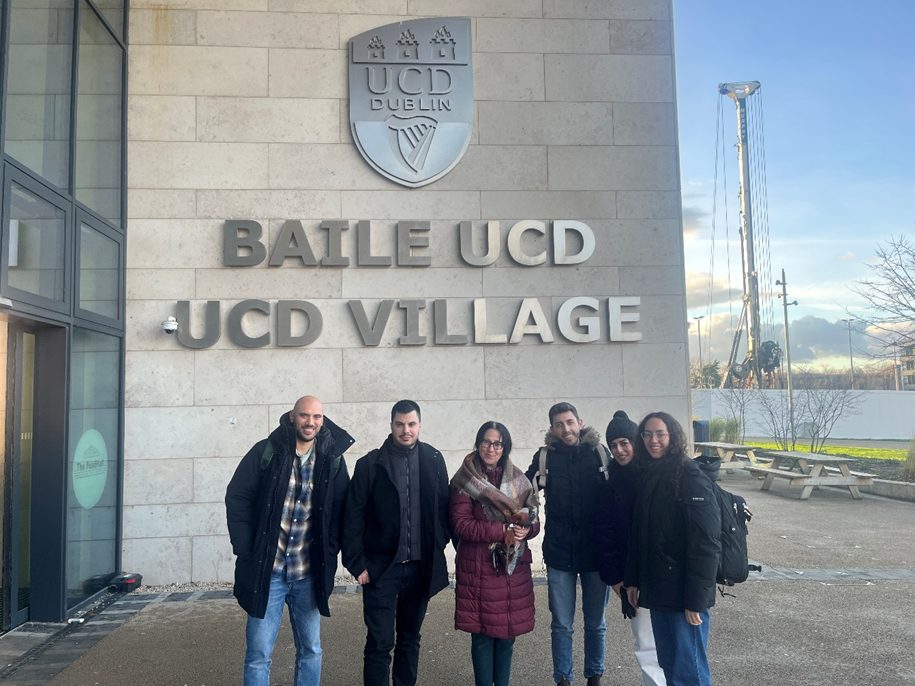
The MindGuard consortium recently convened at University College Dublin for a transnational meeting that placed strong emphasis on the development of the project’s Virtual Reality (VR) training platform. As the partner leading Work Package 4, UCD plays a central role in designing, developing and coordinating the immersive environment that will underpin MindGuard’s innovative approach to mental health training in higher education.

A key highlight of the meeting was the review and hands-on testing of early VR scenario prototypes. These scenarios form the foundation of MindGuard’s immersive training platform and are designed to simulate real-life situations frequently encountered by students, academic staff and educators in campus environments. By recreating these scenarios in a controlled and engaging virtual space, the platform aims to support stress reduction, emotional regulation and the development of mental health awareness and response skills.

UCD is responsible for the conceptualisation, user experience (UX) design and technical development of the VR platform, building on content developed in earlier work packages. The design process follows a strongly user-centred and agile approach, involving close collaboration with mental health professionals, educators and higher education stakeholders. This ensures that the platform responds directly to the real needs, challenges and lived experiences of its target users.

During the conceptualisation phase, UCD defined the scope and objectives of the platform, establishing clear design guidelines focused on accessibility, inclusivity and engagement. Particular attention is being paid to creating a calming and supportive virtual environment that promotes relaxation while remaining realistic and relevant to campus life. These principles guide every aspect of the platform’s development, from interaction design to visual and audio elements.

The VR scenarios showcased at the Dublin meeting demonstrated how immersive technology can be used to safely explore sensitive mental health situations. UCD is leading the development of scripted scenarios, guided exercises and educational content tailored specifically to higher education students and staff. These scenarios integrate audio, visual and haptic feedback to enhance immersion and emotional engagement, while interactive elements allow users to actively practise skills rather than passively observe content.

Ensuring cultural sensitivity and inclusivity is a core priority. The scenarios are being designed to reflect the diversity of higher education communities across Europe and to address a broad range of mental health concerns. This approach supports MindGuard’s wider goal of creating tools that are transferable and relevant across different institutional and national contexts.

The VR platform will be linked directly to the MindGuard project website and will host key project outputs, including the WP2 Guide and the two training programmes developed under WP3. Built-in assessment features will allow learners to reflect on their progress and enable partners to evaluate knowledge acquisition and skills development across training modules.

Partner feedback played a crucial role during the meeting, with participants testing the VR headset and scenarios first-hand. Insights gathered from these sessions are already informing refinements to both content and usability. In the next phase, partners will continue structured usability testing and validation activities, gathering feedback from target users to identify technical issues, improve navigation and enhance the overall learning experience.

Looking ahead, the VR platform will be deployed across higher education institutions through direct installations or distribution via VR app stores. Usage data and qualitative feedback will be monitored to assess the platform’s impact on mental health and wellbeing outcomes. UCD’s leadership in VR development reflects MindGuard’s commitment to combining technological innovation with evidence-based mental health practices. As development progresses toward piloting and local training implementations in Ireland, the Netherlands and Cyprus, the VR platform is set to become a cornerstone of MindGuard’s mission to strengthen mental health support in higher education through immersive, accessible and human-centred digital tools.

#MindGuardProject #VRforWellbeing #MentalHealthInHE #VRTraining #DigitalEmpathy #StudentWellbeing #HigherEducation #ErasmusPlus #MHFA #PeerSupport

Want to know more? On our website and social media pages, you can explore how we’re co-creating mental health resilience in higher education.

Consortium meeting in Dublin

On 24 and 25 November, the MindGuard partners gathered at University College Dublin for a two day meeting dedicated to the next phase of work on the project’s key outputs. Representatives from the University of Groningen, CARDET360, Institute of Development, All Digital, University College Dublin and the University of Nicosia met to review progress and plan the months ahead.

MindGuard aims to promote inclusion in higher education by fostering a culture of care and respect, where mental health and well-being are recognised as essential to academic success. The consortium is developing a mental health first aid framework tailored to academic settings, together with an interactive training programme and a virtual reality platform that will offer immersive learning experiences for staff and students.

Working session on the Guide for Staff and Educators

During the meeting, partners focused on the next steps for revising and finalising the upcoming project result: the Guide for Staff and Educators. This resource will provide practical tools that help university personnel recognise and respond to mental health challenges in their academic communities. It will also contribute to the broader project objective of strengthening the knowledge, skills and confidence of staff and students in supporting well-being.

Designing the Training Programme

The consortium also discussed the structure and content of the future Training Programme for Faculty, Academic Staff and Students. The programme will translate the principles of mental health first aid into accessible learning pathways, helping universities create more supportive learning environments. These discussions built on the project’s commitment to empathy, user centred approaches and the reduction of stigma in higher education.

Progress on the VR scenarios

Another important point on the agenda was the development of the VR scenarios that will form part of MindGuard’s immersive training platform. Partners reviewed current prototypes and explored how the virtual environment can simulate real situations often encountered in campus life. Participants also had the opportunity to test the VR headset, offering feedback that will guide the refinement of the scenarios.

Strengthening outreach in the higher education sector

The meeting concluded with a discussion on how the project can be further promoted within the higher education community. Partners explored ways to engage students, faculty and support services in the next stages of development and piloting.

Strengthening Mental Health Support in Cypriot Higher Education – Findings from National Research

Our recent national study in Cyprus, conducted as part of the MindGuard project, examined mental health support in the country’s higher education institutions (HEIs). Despite national initiatives and the presence of institutional counselling services, our research revealed significant gaps between policy intentions and practical implementation, highlighting a critical need for structured, proactive, and inclusive mental health strategies across universities.

Current Landscape of Mental Health Support in Cypriot HEIs

Cyprus is home to eight universities—three public and five private—serving approximately 75,000 students and more than 3,000 academic staff. Each institution has established its own counselling centres, providing free services such as individual counselling, crisis support, and assistance for students with additional needs. These centres also offer awareness campaigns, self-help materials, and information on national helplines.

However, despite these resources, support remains underutilised. Stigma, lack of awareness, and unclear access procedures often discourage students and staff from seeking help. Counselling services tend to operate reactively, addressing issues after they arise rather than preventing them. Similarly, Mental Health First Aid (MHFA) programs, designed to equip staff and students with skills to identify and respond to mental distress, are sporadic, voluntary, and not systematically integrated into institutional policies.

Emerging Best Practices

The research highlighted several promising initiatives:

  1. Peer Supervision Groups: At the University of Cyprus, faculty participate in non-hierarchical peer groups facilitated by mental health professionals. These spaces allow staff to reflect on student behaviour, receive guidance, and build mutual support, reducing emotional strain.
  2. Proactive Counselling Outreach: Psychologists and counsellors visit faculties regularly to offer consultations, workshops, and small group discussions. This approach increases visibility, reduces stigma, and encourages early engagement with mental health services.
  3. Digital Toolkits and Workshops: Universities are piloting digital resources containing guides, crisis protocols, referral procedures, and contact lists. Delivered alongside workshops, these tools provide accessible information to staff and students when facing mental health concerns.

Additionally, the study revealed positive attitudes towards technological tools such as virtual reality simulations and AI-driven chatbots. Participants viewed these tools as safe, engaging, and effective complements to traditional services—particularly for reducing stigma and introducing complex topics to students.

Challenges Identified

Despite these promising practices, several challenges persist:

  • Stigma and Isolation: Students reported fear of judgement and academic consequences, deterring them from seeking help.
  • Faculty Unpreparedness: Staff often lack formal training in mental health, leaving them uncertain about how to respond in emergencies.
  • Limited Training and Awareness: Over two-thirds of respondents had not received any MHFA training, highlighting gaps in capacity building and institutional preparedness.
  • Structural Barriers: High workloads, unclear policies, and inconsistent service promotion hinder effective support.

Recommendations for the Future

Based on the integration of desk research, surveys, and focus groups, our study recommends a multi-layered approach to improve mental health support in HEIs:

  1. Institutionalise MHFA Training: Provide structured, mandatory training for staff and students, incorporating small group workshops, VR simulations, and role-play scenarios.
  2. Reduce Stigma: Launch peer-led campaigns, integrate mental health topics into curricula, and provide incentives such as academic credits or recognition.
  3. Decentralise Support: Embed trained counsellors and peer mentors in faculties to increase access and visibility.
  4. Leverage Technology Responsibly: Use digital tools as complementary aids, not replacements for human interaction, ensuring accessibility and anonymity.
  5. Establish Clear Protocols: Develop institutional policies outlining referral pathways, emergency procedures, and confidentiality measures to guide staff and students in crisis situations.

Conclusion

Cypriot HEIs have taken important steps to support mental health, but significant gaps remain. Our research underscores the urgent need for structured, sustainable, and inclusive programs that combine human-centred support with technological innovation. By institutionalising MHFA training, fostering proactive engagement, and addressing stigma, universities in Cyprus can build a resilient academic environment where the mental well-being of every student and staff member is prioritised.

Addressing the mental health crisis in Greek academia: Findings from national mixed research

Our recent national study in Greece, part of the transnational research in the framework of the MindGuard project, was focused on the mental health support in Greek academic institutions. It showed that national mental health reforms do not translate effectively into practical support systems for Higher Education Institutions (HEIs). The study which combined desk research with focus groups and questionnaire distribution demonstrates that Greek academia needs an organized framework to support student and staff mental health.

The results show that academic institutions lack sufficient capacity to deliver effective mental health support to their students and staff. The National Action Plan for Mental Health (2021-2030) and Law 5129/2024 work to modernize and unify services but they focus on community-based and psychiatric care without developing specific preventive measures for HEIs.

The current support systems within universities face multiple obstacles which prevent them from functioning effectively:

  • Most participants did not know about any Mental Health First Aid (MHFA) or mental health education programs operating at their institutions. There are student counselling centres throughout universities, but they operate under specific laws to deliver basic services including counselling and psychological support. The services lack proper promotion and sometimes need external funding, creating a gap between academic requirements and service availability.
  • Academic staff members experience ongoing emotional strain and exhaustion because of their demanding work environment and strict organizational structure. The strict standards for success and job retention push staff members toward hiding their mental health issues.
  • Social stigma makes students hesitant to seek help for their mental health issues.

It seems that the main obstacle to effective mental health support stems from insufficient training and insufficient awareness about available resources.

The academic community needs to develop both technical/ sector-specific skills and interpersonal ones to deliver better support services. The essential competencies for effective intervention include:

  1. Knowledge about standard practices, common themes and intervention methods.
  2. Skills to identify signs which indicate potential mental health issues.
  3. Ability to manage crises and practice active listening, self-awareness and resilience.

The participants agreed that mental health support requires fundamental changes which should focus on prevention and resource distribution, with special attention to two areas:

  1. Systemic and strategic schemes – structured plans which focus on prevention and intervention should replace current ad-hoc support systems.
  2. Resource and access increase– dedicated funding will enable institutions to provide more support systems which include trained mental health professionals and counseling services. MHFA training should combine classroom instruction for the fundamentals and digital resources for expanded accessibility. Peer support networks and mentoring programs will help create an inclusive environment which reduces stigma while staff members need better work-life balance and reduced workload to achieve well-being.

Overall, Greek academia needs to develop a unified approach which combines training programs with awareness initiatives and structural changes to create an environment that supports every member of the academic community.

Facing Mental Health Challenges in Academia: How the MindGuard Project Supports Students and Staff

University life offers exciting opportunities for personal growth, knowledge, and new connections. However, it also brings significant challenges that can deeply impact mental health. Across Europe, students and academics alike face a wide range of psychological pressures, from anxiety, loneliness, and depression, to imposter syndrome, burnout, and even post-traumatic stress. These challenges not only affect personal well-being but also academic performance, career progression, and the ability to fully engage in university life.

For many students, the transition to higher education means coping with new environments, financial pressures, and the weight of expectations. Feelings of inadequacy, often described as imposter syndrome, are common, while loneliness and social isolation can intensify stress. Academics and faculty staff are also at risk: heavy workloads, research pressure, and administrative responsibilities often lead to exhaustion and burnout. Without effective support systems, these challenges can escalate into serious mental health issues.

Recent studies highlight the urgency of action. According to UNICEF (2021), over 9 million young people in Europe live with mental health disorders, while the OECD (2022) found that half of those in need report unmet access to support. Within universities in the Netherlands, Ireland, Cyprus, and Greece, more than 40% of students face significant mental health struggles, underlining the pressing need for innovative solutions.

This is where the MindGuard project comes in. Funded by Erasmus+, MindGuard introduces a participatory and digitally empowered mental health prevention framework for higher education. Its aim is to transform the way students, faculty, and staff learn about, understand, and respond to mental health issues.

The project develops three key innovations:

  • A Guide for Educators and Staff – offering resources to implement effective Mental Health First Aid (MHFA) programmes within academic settings.
  • An Interactive Training Programme – equipping faculty, staff, and students with practical skills to identify and respond to mental health challenges, fostering a culture of early intervention.
  • A Virtual Reality (VR) Platform – delivering immersive and experiential learning experiences that simulate real-life scenarios such as anxiety crises, depression, or suicidal thoughts, enabling participants to practice supportive responses in a safe environment.

By combining education with digital innovation, MindGuard empowers students to become allies in supporting their peers, while also strengthening the capacity of academic staff to promote inclusion and wellbeing on campus. The project’s holistic approach also addresses stigma, encourages empathy, and creates peer-to-peer support networks, ensuring no one feels alone in their struggles.

In the long term, MindGuard envisions more resilient higher education communities where mental health is openly discussed, prevention is prioritized, and every student and academic feels supported. Through inclusive practices, cutting-edge technology, and participatory training, the project is helping to shape a healthier and more compassionate future for European universities.

Bridging Awareness and Action: Ireland’s Path Toward Mentally Healthy Universities Through the MINDGUARD Project

Ireland’s higher education institutions (HEIs) have made notable strides in promoting mental health awareness, yet challenges persist in ensuring equitable and accessible support for all students and staff. As part of the MINDGUARD Erasmus+ initiative, University College Dublin (UCD) conducted an in-depth national study to explore the landscape of mental health in academic settings across Ireland. The findings offer valuable insight into existing gaps, emerging best practices, and stakeholder-driven recommendations to inform the development of MINDGUARD’s participatory mental health framework.

The national research employed a mixed-method approach, including a scoping literature review, an interactive focus group, and a comprehensive survey. These methods highlighted widespread concern around mental health in HEIs—especially post-COVID-19—paired with a strong appetite for structured and inclusive interventions such as Mental Health First Aid (MHFA) training, digital tools, and immersive learning environments.

The focus group brought together staff and students from UCD, DCU, and TUD, generating key thematic insights:

· Awareness is growing, but access remains uneven, especially for academic staff.

· Stigma and silence continue to prevent help-seeking behaviour.

· MHFA training is needed—both students and staff feel unprepared to respond effectively to mental health issues.

· Digital tools such as VR are widely welcomed as engaging, scalable platforms for building empathy and practical skills.

The national survey echoed these themes, revealing that only 12% of respondents had received formal MHFA training, while over 90% expressed interest in receiving such support. Students and staff highlighted the importance of developing active listening, distress recognition, and digital literacy skills, alongside embedding mental health discussions into curricula and staff training. UCD’s report also spotlights Irish best practices, including:

· Peer mentoring at scale (TCD Student2Student)

· Curriculum-integrated MHFA (RCSI)

· Digital CBT platforms like SilverCloud and Togetherall

· VR-based Erasmus+ pilots for immersive mental health training

Despite these examples, implementation remains fragmented. Stakeholders call for systemic coordination, clearer service visibility, and institutional leadership to champion mental health from policy to practice.

The next steps in the MINDGUARD project will build on these insights by co-designing a VR training toolkit and educator guide, empowering HEIs to embed prevention and support into daily academic life. MINDGUARD’s mission is to move beyond awareness—to normalise mental health conversations, scale training, and create safe learning environments through participatory and digital tools.

MindGuard Erasmus+ initiative: Promoting mental health literacy in Higher Education

Around 9 million young people in Europe live with mental health disorders (UNICEF, 2021), and in countries such as the Netherlands, Ireland, Cyprus, and Greece, more than 40% of university students face mental health challenges (Sanders, 2023; OECD, 2022). These figures show a concerning reality and highlight the urgent need to take action within higher education environments.

European institutions, including the European Commission, are fully aware of this situation. In the 2022 State of the Union speech, Commission President Ursula von der Leyen announced “a new initiative on mental health,” reinforcing the need for a comprehensive, prevention-oriented, and multi-stakeholder approach. This strategy acknowledges that improving mental wellbeing requires coordinated efforts across different policy areas. For instance, urban planning, research, and, especially, education.

In line with this vision, the European Union is supporting several initiatives in the field of education through Erasmus+ projects. One of them is “Participatory and digitally empowered mental health prevention framework for academic settings” (MindGuard), which brings together a consortium composed of the University of Groningen, University College Dublin, University of Nicosia, CARDET360, the Institute of Development, and All Digital. The objective of this collaboration is to improve the knowledge and skills of university students, faculty, and staff so they can better support their own mental wellbeing and that of their peers. In this way, the project hopes to build a more inclusive academic culture, where mental health is acknowledged, respected, and supported.

To reach this goal, the consortium has organised the work into several steps. First, we are conducting an in-depth review of the existing literature to better understand the current situation across Europe. This includes identifying existing policies, frameworks, and guidelines for mental health first aid (MHFA) in higher education institutions at national levels; examining the main challenges and barriers to implementing mental health education and first aid training in academic contexts; and analysing what gaps exist in terms of knowledge, skills, and confidence among students and staff. It also involves identifying successful practices and models from across the EU that can be used as examples for future action. This research will allow us to develop a set of practical guidelines and resources to help institutions adopt preventative measures, implement virtual reality training, coordinate MHFA programmes more effectively, and promote mental wellbeing through digital skills that make the training adaptable to their own contexts.

Once these guidelines are ready, the next step is to create a series of interactive and blended learning modules enriched with virtual reality. These modules will be designed to help students and academic staff understand and address common mental health challenges in higher education. The idea is to offer engaging and practical content that supports capacity building in mental health support, using digital tools that are accessible and user-friendly. In parallel, we will also be working on the development of a virtual reality platform that will host the training content. This platform will be tailored to the specific mental health and wellbeing needs of students, faculty, and staff, making it possible for them to access the modules, monitor their progress, and receive feedback. By combining educational content with an interactive and digital environment, we aim to make mental health training more engaging and relevant for the academic community.

Finally, we believe that the results of this project should go beyond the university walls. For that reason, we will also focus on public engagement. The project team will organise different activities such as science cafés, local events, newsletters, and social media campaigns to raise awareness about mental health in higher education and share what we are learning through the project. With all these efforts, we hope to make a small but meaningful contribution to improving mental health support in academic environments.

If you want to know more about this Erasmus+ project, keep an eye on our social media!